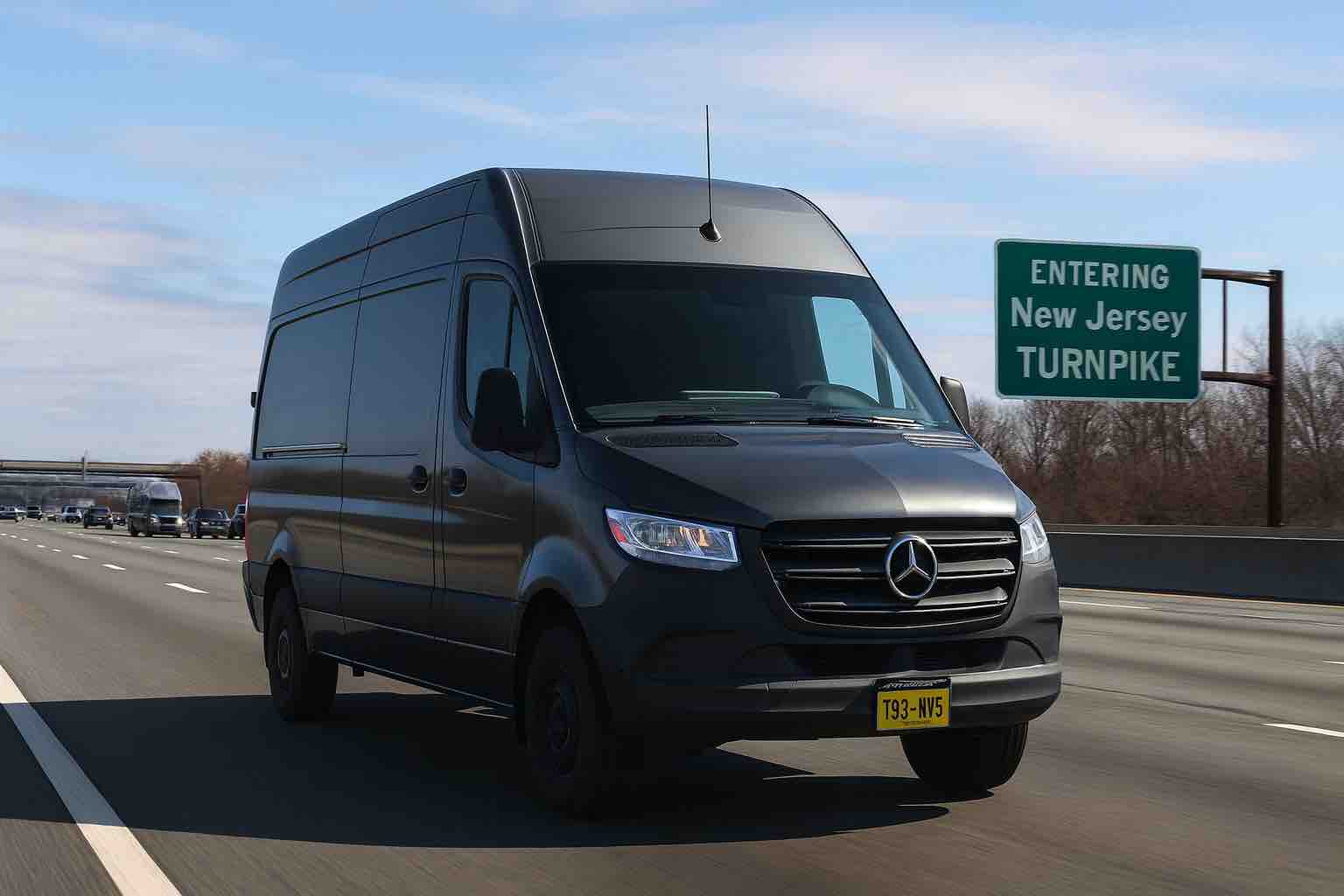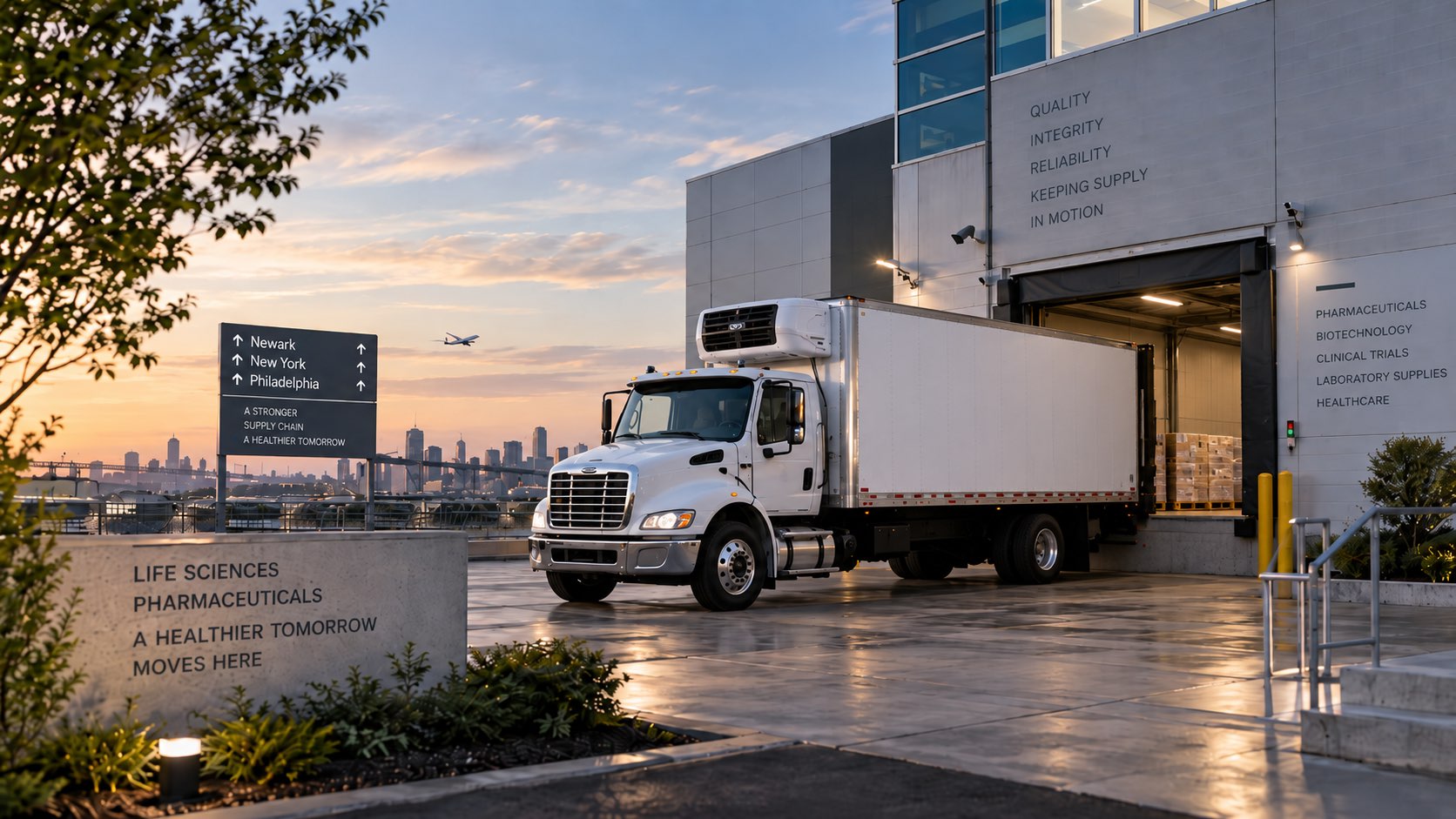
But moving temperature-sensitive pharmaceutical freight is not simply a matter of finding a refrigerated truck.
Temperature requirements, equipment, monitoring, transit time, handling, documentation and communication all need to be considered before the shipment moves.
At Nor’East Xpress, we believe the transportation plan should start with one question:
What does this shipment actually require?
What Is Pharmaceutical Cold Chain Transportation?
Pharmaceutical cold chain transportation is the movement of pharmaceutical and life sciences products under defined temperature conditions throughout the transportation process.
Depending on the product, that may involve refrigerated equipment, temperature-controlled transportation, controlled room-temperature conditions, temperature monitoring, specialized packaging or a combination of solutions.
Temperature-sensitive shipments may include:
- Pharmaceuticals
- Biologics
- Specialty medications
- Clinical trial materials
- Active pharmaceutical ingredients
- Diagnostic materials
- Laboratory products
- Research materials
- Temperature-sensitive healthcare products
- Pharmaceutical manufacturing materials
The required conditions should always come from the manufacturer, shipper or other authorized party responsible for the product.
The transportation provider's job is to understand those requirements and coordinate the appropriate transportation solution.
Why Pharmaceutical Cold Chain Matters in New Jersey
New Jersey has a particularly dense network of pharmaceutical, biotechnology and life sciences operations.
Major pharmaceutical and life sciences activity extends through areas including New Brunswick, Somerset, Bridgewater, Edison, Piscataway, North Brunswick, South Brunswick, Cranbury, East Windsor, Princeton, Plainsboro, Rahway, Kenilworth and surrounding communities.
Freight regularly needs to move between manufacturing facilities, laboratories, suppliers, distribution centers, research organizations, airports, healthcare facilities and other points within the pharmaceutical supply chain.
New Jersey also provides direct access to major Northeast markets in New York, Pennsylvania, Connecticut, Massachusetts, Delaware, Maryland and Virginia.
That combination makes New Jersey an important transportation hub for pharmaceutical freight moving throughout the Northeast.
Pharmaceutical Cold Chain Starts Before the Truck Arrives
Some of the most important work happens before pickup.
Before arranging temperature-controlled pharmaceutical transportation, several questions need clear answers:
What exactly is shipping?
What temperature range must be maintained?
What are the shipment dimensions and weight?
What equipment is required?
Is temperature monitoring required?
Is dedicated transportation required?
What are the pickup and delivery windows?
What documentation is required?
Are there special security or chain-of-custody requirements?
What is the procedure if there is a delay or temperature deviation?
Answering those questions before dispatch helps prevent problems that become much harder to solve after the freight is already moving.
2°C to 8°C and Controlled Room-Temperature Pharmaceutical Freight
Not all pharmaceutical products require the same conditions.
Some pharmaceutical freight may require refrigerated transportation within a range such as 2°C to 8°C.
Other products may require controlled room-temperature transportation, potentially within ranges such as 15°C to 25°C.
Other products may have entirely different requirements.
That distinction matters.
Equipment, monitoring, packaging and transportation procedures should be selected according to the actual product requirements rather than assuming every pharmaceutical shipment needs the same solution.
The shipper or manufacturer determines the required temperature range.
A transportation provider should never guess.
Refrigerated Pharmaceutical Transportation in NJ
When active temperature control is required, equipment selection becomes a critical part of shipment planning.
Depending on the shipment, transportation solutions may include refrigerated straight trucks, refrigerated tractor-trailers or other temperature-controlled equipment appropriate for the freight.
The equipment decision should consider:
- Required temperature range
- Shipment dimensions
- Shipment weight
- Packaging
- Transit time
- Loading requirements
- Monitoring requirements
- Delivery conditions
- Product-specific instructions
A small, urgent pharmaceutical shipment and a full truckload of temperature-sensitive product may both be considered cold chain freight, but they can require very different transportation solutions.
Flexibility matters.
Expedited Pharmaceutical Cold Chain Transportation
Sometimes maintaining temperature is only part of the challenge.
The shipment also needs to move immediately.
Production problems, inventory shortages, clinical requirements, missed connections, unexpected demand and delayed inbound freight can turn a routine pharmaceutical shipment into an expedited transportation requirement.
In those situations, speed cannot replace planning.
The transportation provider still needs to understand the required temperature, equipment, transit time, delivery deadline, monitoring requirements and handling instructions.
For qualifying shipments, dedicated transportation can provide a more direct route from pickup to delivery.
That can be particularly valuable for urgent, sensitive, high-value or production-critical pharmaceutical freight.
The objective is not simply to move the freight quickly.
It is to move it quickly without losing control of the shipment requirements.
Dedicated Transportation for Pharmaceutical Freight
Traditional freight networks can involve terminals, cross-docking, transfers and multiple handling points.
For certain pharmaceutical shipments, dedicated transportation offers another option.
Depending on the shipment, dedicated service can help reduce:
- Routine terminal transfers
- Additional freight handling
- Cross-docking
- Unnecessary dwell time
- Missed connections
- Unplanned routing changes
It can also provide greater control over routing and delivery timing.
Not every pharmaceutical shipment requires dedicated equipment.
But when timing, product sensitivity, value or handling requirements make additional control important, dedicated transportation can be an effective solution.
Newark Airport Pharmaceutical Cold Chain Recovery
Newark Liberty International Airport is an important international cargo gateway for New Jersey and the greater New York metropolitan area.
That makes airport recovery another important piece of the region's pharmaceutical cold chain.
Airport-connected pharmaceutical transportation requires additional coordination.
An aircraft landing does not necessarily mean the freight is immediately available for pickup.
Cargo may still need to be unloaded, processed, transferred to a handling facility and released.
Before arranging ground transportation for temperature-sensitive pharmaceutical cargo, important information can include:
- Air waybill details
- Airline or cargo handler
- Actual freight availability
- Cargo release status
- Required temperature range
- Equipment requirements
- Monitoring requirements
- Driver access requirements
- Delivery appointment
- Special handling instructions
Whenever possible, the ground transportation plan should be established before the freight becomes available.
That allows the appropriate equipment and capacity to be positioned around the actual cargo release.
Temperature Monitoring and Shipment Visibility
Knowing where the truck is matters.
For pharmaceutical cold chain freight, knowing what is happening to the shipment can matter just as much.
Depending on the product and customer requirements, temperature monitoring may be required during transportation.
Those requirements should be identified before pickup.
Shipment communication may also include:
- Pickup confirmation
- In-transit status updates
- Location visibility
- Estimated arrival updates
- Delay notification
- Delivery confirmation
- Proof of delivery
When something changes, the customer should know.
Silence is not a transportation strategy.
What Happens During a Temperature Excursion?
Even carefully planned transportation takes place in the real world.
Traffic happens. Weather changes. Facilities experience delays. Equipment can experience problems.
That is why escalation procedures should be established before a temperature-sensitive pharmaceutical shipment begins.
If a potential temperature excursion occurs, accurate information becomes critical.
Temperature records, timestamps, location information and documentation about what occurred can help the customer's quality team evaluate the event.
The manufacturer, shipper, quality department or other authorized party should determine whether the product remains acceptable.
The transportation provider's role is to communicate, document and follow the customer's established procedures rather than making an unauthorized product-disposition decision.
Chain of Custody and Pharmaceutical Transportation Documentation
Pharmaceutical shipments can require more documentation than standard commercial freight.
Our experience with medical and pharmaceutical transportation reinforces why handling requirements, documentation and chain of custody should be discussed before a shipment moves.
Requirements vary depending on the product and customer, but they may include:
- Pickup confirmation
- Driver information
- Seal information
- Shipment tracking
- Temperature records
- Delivery appointment confirmation
- Signed proof of delivery
- Chain-of-custody documentation
- Exception reporting
- Special handling instructions
The important part is identifying those requirements before pickup.
Delivery should not be the moment everyone discovers that a required record was supposed to have been collected hours earlier.
New Jersey to the Northeast Pharmaceutical Corridor
New Jersey pharmaceutical supply chains rarely stop at the state line.
Nor’East Xpress coordinates transportation connecting New Jersey with pharmaceutical, healthcare and life sciences markets throughout the Northeast and Mid-Atlantic.
Common regional connections include:
New Jersey → New York
New Jersey → Pennsylvania
New Jersey → Connecticut
New Jersey → Massachusetts
New Jersey → Delaware
New Jersey → Maryland
New Jersey → Virginia
Longer-distance transportation can also be evaluated based on the shipment requirements.
Whether freight is moving between manufacturing facilities, laboratories, distribution centers, airports or other points in the pharmaceutical supply chain, the transportation plan should be built around the load.
Not Every Pharmaceutical Shipment Requires Refrigeration
This distinction is important.
Pharmaceutical logistics includes a significant amount of freight that does not require active temperature control.
Examples can include:
- Pharmaceutical packaging
- Medical devices
- Laboratory instruments
- Manufacturing components
- Research equipment
- Quality-control materials
- Production materials
- Diagnostic equipment
- Other life sciences freight
Some of those shipments may still require expedited service, dedicated transportation, careful handling or additional security.
Understanding the commodity before assigning equipment can prevent unnecessary complexity and expense.
Choosing a Pharmaceutical Cold Chain Transportation Provider in NJ
When evaluating transportation for temperature-sensitive pharmaceutical freight, price is only one part of the decision.
Shippers should also understand whether the transportation provider can clearly answer questions about:
Equipment: What equipment will actually handle the shipment?
Temperature: How will the required transportation conditions be addressed?
Monitoring: What monitoring is required and available?
Communication: How will shipment status be communicated?
Documentation: What records are required?
Escalation: What happens if something goes wrong?
Capacity: Can the transportation solution adapt when the shipment changes?
A good transportation conversation should establish those answers before the shipment is dispatched.
Pharmaceutical Cold Chain Transportation in New Jersey
For pharmaceutical and life sciences organizations in New Jersey, cold chain transportation ultimately comes down to control.
Control of the temperature requirements.
Control of the equipment selection.
Control of the timeline.
Control of the documentation.
And control of the communication surrounding the shipment.
Nor’East Xpress coordinates pharmaceutical cold chain transportation in NJ, along with temperature-controlled, expedited, dedicated and specialized freight throughout New Jersey and the Northeast.
Whether the shipment involves refrigerated pharmaceutical freight, controlled room-temperature products, an urgent facility-to-facility transfer or pharmaceutical cargo arriving through Newark Airport, our process begins by understanding what the shipment actually requires.
Because with pharmaceutical freight, the details should be worked out before the truck moves.
Need to Move Pharmaceutical Cold Chain Freight in NJ?
Tell us what is shipping, where it is picking up, where it needs to go, when it needs to arrive and the required temperature or handling conditions.
We'll review the shipment requirements and determine the appropriate transportation solution.