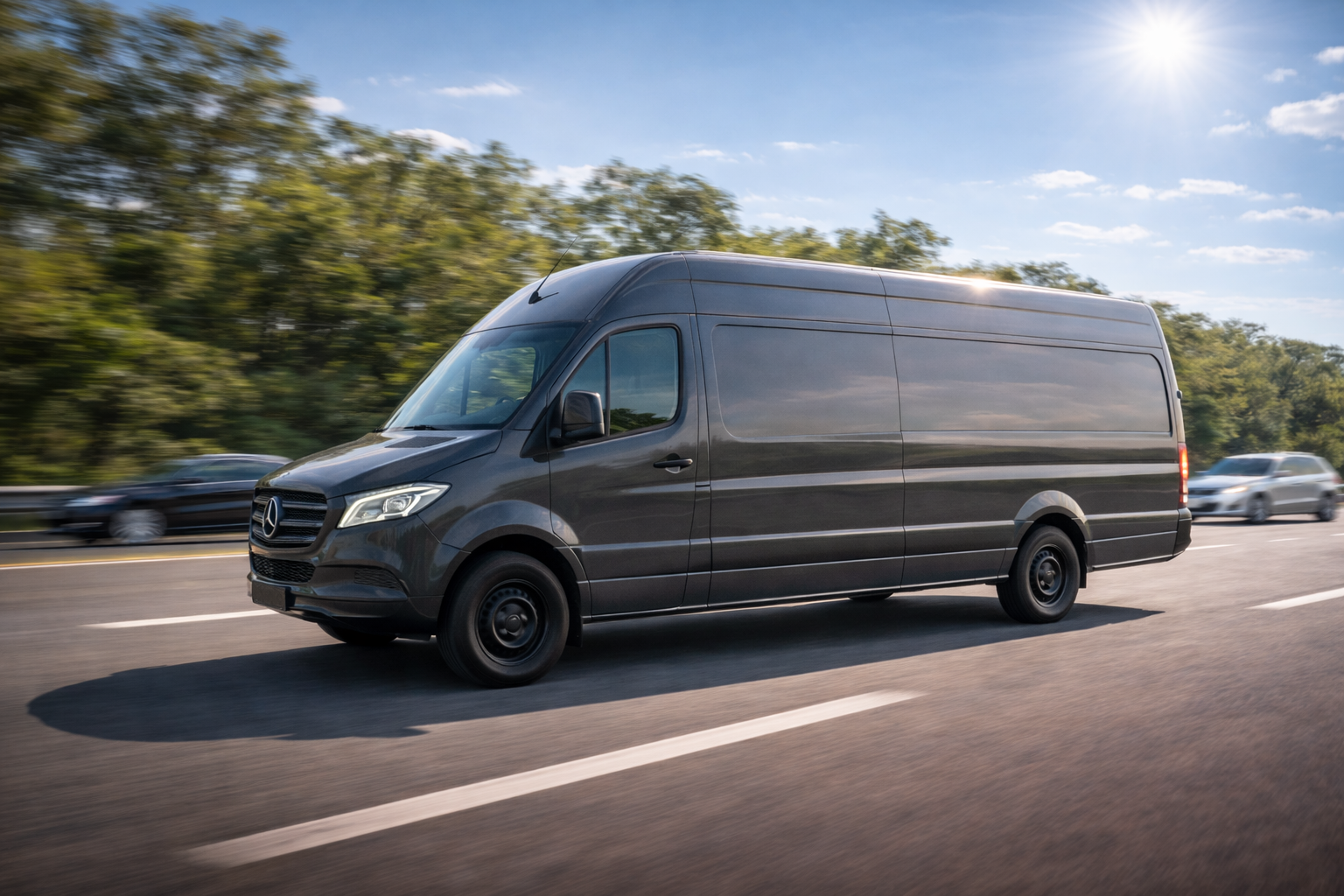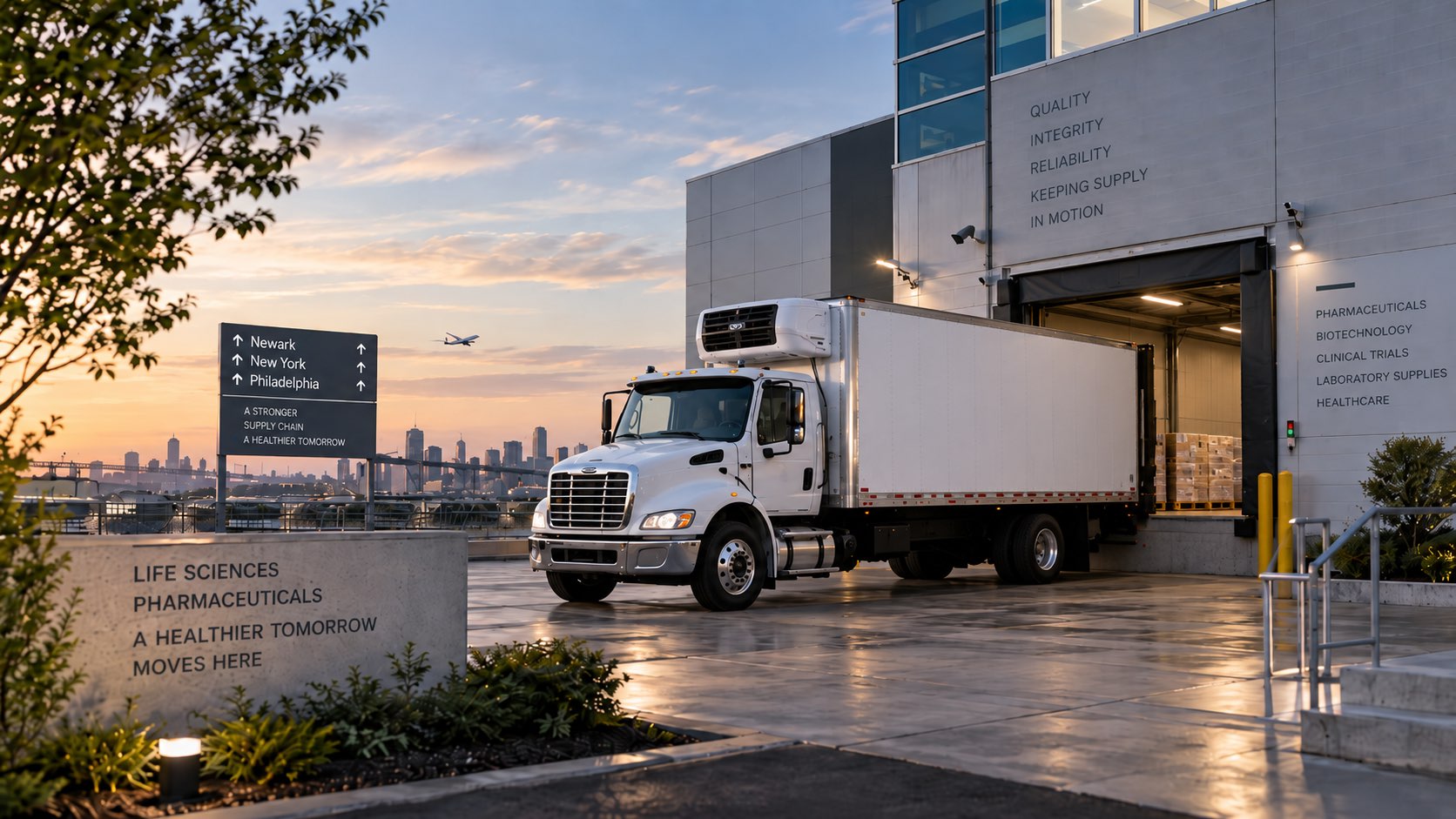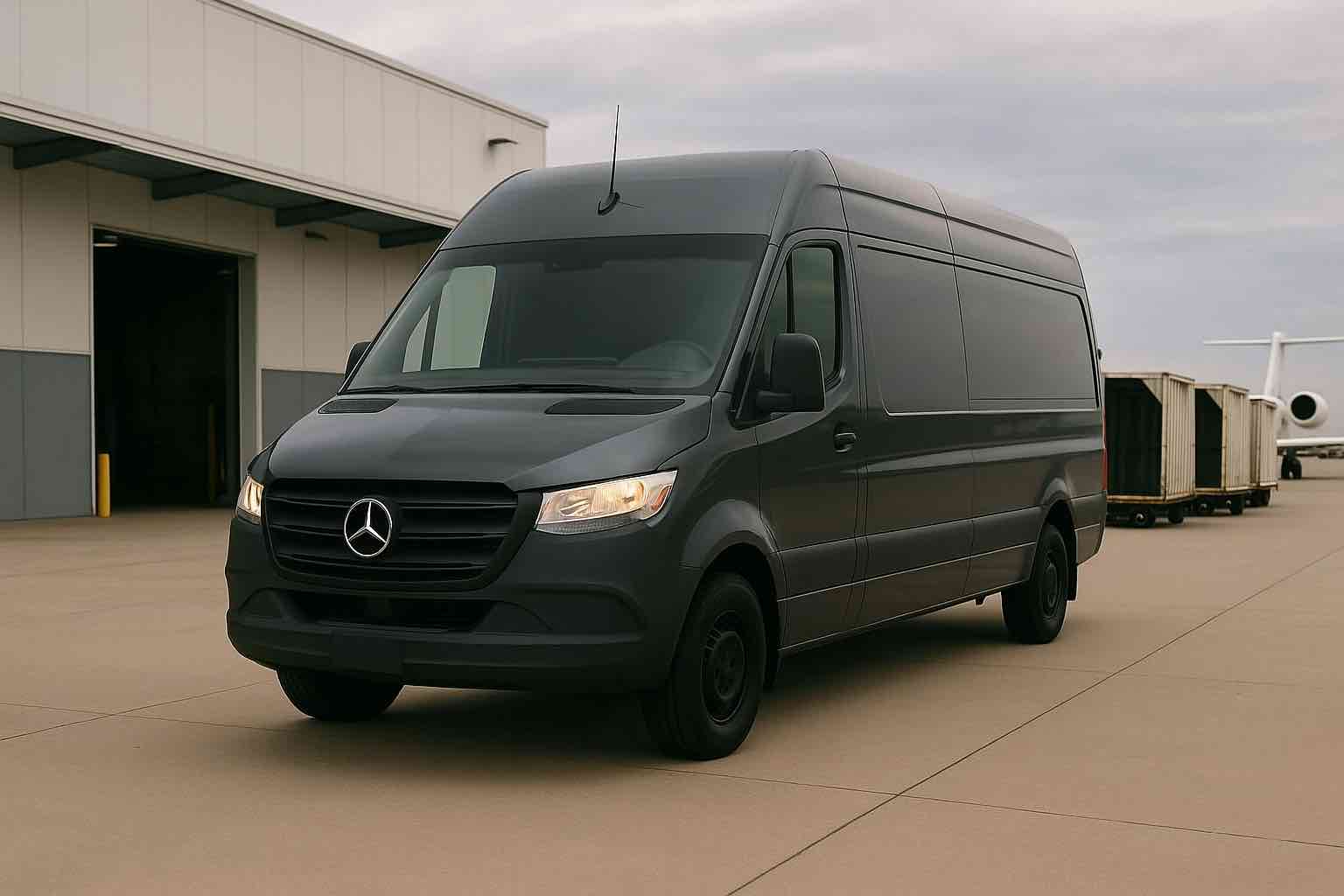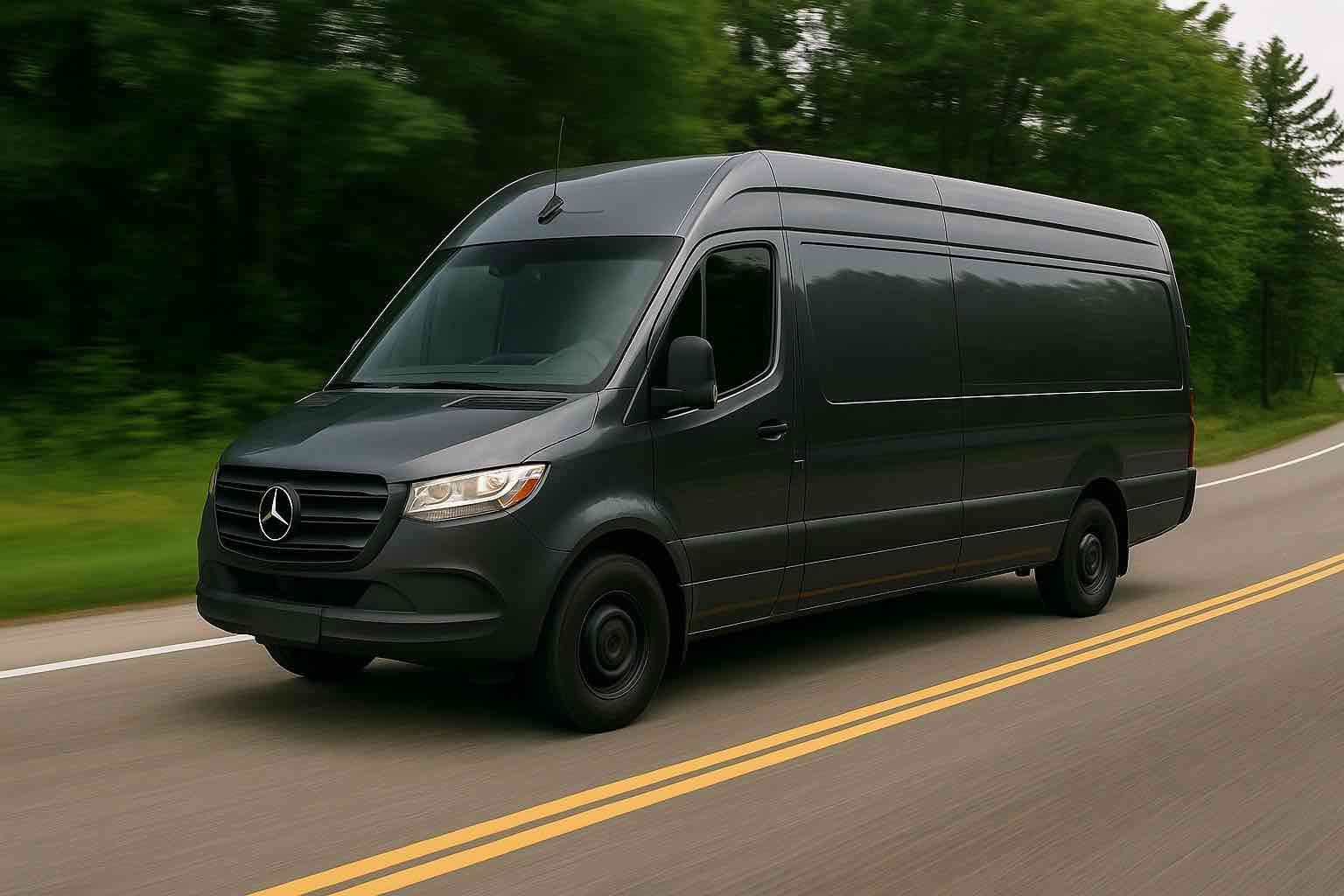
A shipment may need expedited transportation because a production line is waiting, a technician cannot complete a repair, an airport delivery cutoff is approaching, a laboratory needs equipment, or a customer commitment is at risk.
Nor’East Xpress provides direct expedited transportation for qualifying freight moving throughout New Jersey, New York, Pennsylvania, the Northeast, and the Mid-Atlantic region.
How Expedited Freight Works
Traditional freight networks are designed to combine shipments from multiple customers.
That model can be effective for freight with flexible delivery requirements. The shipment may move through terminals, consolidation points, cross-docks, and multiple vehicles before reaching its destination.
Expedited freight uses a more focused transportation plan.
For an accepted direct move:
- A vehicle is assigned specifically to the shipment
- Pickup is coordinated around the required schedule
- The freight moves directly toward the destination
- Unnecessary terminal transfers are avoided
- Communication remains focused on one shipment
- Delivery is completed according to the accepted transportation plan
One shipment. One vehicle. One driver.
This direct model can reduce the number of planned handoffs between pickup and delivery.
It does not eliminate traffic, weather, facility delays, road closures, or other conditions outside the carrier’s control. It removes many of the avoidable delays created by shared freight networks.
Expedited Freight Is Not Simply Faster Driving
Expedited transportation does not mean driving unsafely or ignoring commercial transportation requirements.
The time savings usually come from how the shipment is planned.
A direct expedited move may reduce or eliminate:
- Waiting for trailer consolidation
- Scheduled terminal departures
- Cross-docking
- Multiple carrier transfers
- Freight sorting
- Shared delivery routes
- Unnecessary stops
- Delayed status information
The goal is not reckless speed.
The goal is to create a transportation plan that gives the shipment fewer opportunities to lose time.
When Does a Business Need Expedited Freight?
Not every shipment requires expedited transportation.
Routine freight with a flexible delivery window may move effectively through standard parcel, courier, LTL, or truckload networks.
Expedited freight becomes more valuable when the operational consequences of waiting are greater than the additional transportation cost.
A Production Line Is Waiting
Manufacturers may need a sensor, motor, control, machine component, tool, or material before production can continue.
The item may be physically small, but the operation depending on it may involve employees, equipment, customer orders, and downstream schedules.
Direct transportation can connect the supplier, distributor, repair facility, warehouse, or airport directly with the plant.
Learn more about the real cost of delayed freight.
A Technician Cannot Complete a Repair
HVAC, elevator, electrical, automation, construction, aviation, and field-service teams may be waiting for a specific component.
A delayed part can lead to:
- Idle labor
- A second service visit
- Overtime
- Additional travel
- Customer downtime
- Rescheduled work
An expedited move may help the technician complete the assignment without waiting for a standard freight schedule.
A Customer Commitment Is at Risk
Sometimes the freight is not supporting an emergency.
It is protecting a promise.
A supplier, manufacturer, distributor, or service company may have committed to delivering equipment, materials, replacement products, or components by a specific time.
When a standard shipping method can no longer meet that commitment, direct expedited transportation may provide another option.
An Airport Shipment Is Ready
Air cargo does not reach its final destination when the aircraft lands.
After the airline, cargo handler, freight forwarder, customs broker, and applicable government agencies complete the release process, the shipment still requires ground transportation.
Nor’East Xpress supports qualifying airport cargo recovery and direct delivery through EWR, JFK, PHL, IAD, and other Northeast and Mid-Atlantic cargo facilities.
A Medical or Pharmaceutical Shipment Is Time-Sensitive
Medical devices, laboratory equipment, diagnostic supplies, clinical trial materials, packaged pharmaceutical products, and manufacturing components may require direct handling, confidentiality, documented handoffs, or precise delivery coordination.
Nor’East Xpress supports qualifying medical and pharmaceutical transportation throughout the region.
The Freight Is Sensitive or Difficult to Replace
Expedited transportation may be appropriate for cargo such as:
- High-value electronics
- Aerospace components
- Prototypes
- Custom-fabricated parts
- Medical devices
- Specialized equipment
- Research materials
- Critical replacement parts
Reducing planned transfers can help limit exposure to misrouting, separation, handling damage, and unclear responsibility.
A Fixed Appointment or Cutoff Must Be Met
Some shipments are connected to:
- Airline tender cutoffs
- Installation appointments
- Trade-show setup
- Construction schedules
- Laboratory receiving windows
- Government-facility appointments
- Customer production schedules
- After-hours delivery arrangements
The transportation plan must account for loading time, traffic, facility access, screening, unloading, and receiving procedures, not only highway mileage.
Expedited Freight Versus LTL
Less-than-truckload service and expedited freight solve different problems.
LTL
LTL combines freight from several customers within a shared network.
It may involve:
- Multiple terminals
- Cross-docking
- Scheduled line-haul movements
- Several vehicles
- Shared trailer capacity
- Broader delivery windows
LTL can be a practical option when:
- The delivery schedule is flexible
- Freight is properly palletized and packaged
- Multiple transfers are acceptable
- Cost is the primary concern
- No operation is waiting for the shipment
Expedited Freight
Expedited freight is organized around the requirements of one urgent shipment.
It may be more appropriate when:
- Pickup must happen quickly
- Delivery timing is critical
- The freight should remain on one vehicle
- A production or service operation is waiting
- The shipment is difficult to replace
- Reduced handling is important
- Direct communication is required
- A missed delivery will create larger costs
The right option depends on the consequences of delay, not simply the shipment’s weight.
Expedited Freight Versus Courier Service
Courier service is often designed for envelopes, parcels, small cartons, documents, and local deliveries.
Expedited freight may involve:
- Pallets
- Crates
- Equipment
- Machinery components
- Medical devices
- Industrial parts
- Airport cargo
- Several cartons
- Higher-value freight
The distinction is not always based only on size.
It can also involve the type of vehicle, loading requirements, securement, declared value, distance, chain of custody, facility access, and required delivery schedule.
A small package may still require freight-level planning when it is unusually valuable, sensitive, regulated, or connected to an important operation.
Expedited Freight Versus Hot Shot Transportation
The terms expedited freight and hot shot are sometimes used interchangeably.
Both generally refer to urgent transportation arranged outside a routine freight schedule.
Hot shot transportation often describes a direct shipment of time-sensitive parts, equipment, materials, or freight needed for an immediate operational requirement.
Expedited freight is the broader term and may include:
- Same-day regional delivery
- Dedicated Sprinter transportation
- Airport recovery
- Direct final mile
- Emergency parts delivery
- Time-critical line-haul
- Scheduled priority transportation
Nor’East Xpress supports qualifying hot shot and expedited freight assignments throughout New Jersey and the Northeast.
Why a Dedicated Sprinter Can Be the Right Vehicle
Not every urgent shipment requires a tractor-trailer or box truck.
A Sprinter may be appropriate for:
- One or several pallets
- Crated equipment
- Manufacturing components
- Electronics
- Medical devices
- Packaged pharmaceutical freight
- Aerospace parts
- HVAC and elevator components
- Airport cargo
- Trade-show materials
- Emergency replacement parts
A Sprinter can provide useful flexibility when the shipment fits safely within the vehicle’s dimensions and weight capacity.
Potential advantages include:
- Direct point-to-point transportation
- Fewer planned handoffs
- Easier access to some urban and suburban facilities
- Practical loading for appropriately sized freight
- A vehicle assigned specifically to the shipment
- Clear responsibility from pickup through delivery
The correct vehicle depends on:
- Number of pieces
- Dimensions
- Total weight
- Pallet configuration
- Commodity
- Packaging
- Loading method
- Unloading method
- Door clearance
- Dock or ground-level access
- Securement requirements
Nor’East Xpress reviews those details before accepting a shipment.
Read more about when a dedicated Sprinter is the right choice for expedited freight.
Industries That Use Expedited Freight
Manufacturing
Manufacturers use expedited freight for line-down parts, production materials, controls, motors, sensors, tooling, and emergency replacement components.
Healthcare and Life Sciences
Healthcare organizations, laboratories, pharmaceutical companies, and medical-device businesses may use direct transportation for properly packaged equipment, supplies, clinical materials, or manufacturing support freight.
Aerospace and Aviation
Aerospace suppliers, repair organizations, airlines, and maintenance teams may need aircraft components, tools, electronics, or replacement parts within narrow operational windows.
HVAC and Elevator Service
Technicians may be waiting for a motor, control board, valve, pump, sensor, or specialized part needed to restore equipment.
Technology and Electronics
Servers, communication equipment, electronics, replacement components, and sensitive devices may require direct transportation with fewer transfers.
Government and Defense
Government agencies, prime contractors, and suppliers may require time-critical transportation involving specific identification, insurance, security credentials, appointments, or facility procedures.
Freight Forwarders
Freight forwarders use expedited ground carriers to connect airports, cargo handlers, warehouses, shippers, consignees, and final delivery locations.
Construction and Field Service
Construction sites and field teams may need tools, materials, equipment, or components to keep a scheduled project moving.
When a project involves oversized generators, transformers, or industrial machinery rather than smaller replacement components, heavy haul transportation may be required to coordinate specialized trailers, permits, routing, and site delivery.
What Expedited Freight Does Not Guarantee
Expedited freight provides a more direct transportation plan.
It does not guarantee that every shipment will arrive by a specific time regardless of conditions.
Possible delays can still include:
- Freight not ready at pickup
- Incorrect shipment dimensions or weight
- Loading delays
- Traffic incidents
- Severe weather
- Road closures
- Government travel restrictions
- Airport cargo not released
- Facility access problems
- Missed receiving appointments
- Unavailable unloading equipment
- Incorrect delivery information
A responsible carrier should provide a realistic schedule based on the information available and communicate when meaningful conditions change.
What Nor’East Xpress Needs Before Dispatch
An origin and destination are not enough to evaluate an expedited shipment.
Before requesting a quote, provide:
- Pickup address
- Delivery address
- Requested pickup time
- Required delivery time
- Number of pieces
- Weight of each piece
- Dimensions of each piece
- Detailed commodity description
- Declared shipment value
- Packaging type
- Palletized or loose status
- Loading method
- Unloading method
- Dock or ground-level access
- Appointment requirements
- Site-access instructions
- Temperature requirements
- Dangerous-goods status
- Driver-assist expectations
- Proof-of-delivery requirements
Complete information helps determine whether the shipment fits safely, whether the vehicle is appropriate, and whether the requested schedule is realistic.
Communication During an Expedited Move
Urgent freight becomes more difficult when the customer does not know what is happening.
Depending on the assignment, Nor’East Xpress can provide updates such as:
- Driver dispatched
- Estimated arrival at pickup
- Arrival at origin
- Freight loaded
- Departure from pickup
- Updated estimated arrival
- Arrival at destination
- Delivery completed
- Electronic proof of delivery
GPS-based tracking can also be supported when requested and available for the assignment.
Direct communication allows the customer to prepare the receiving team, update a technician, notify a customer, or adjust an appointment.
When Expedited Freight May Not Be Necessary
Expedited transportation may not be the best choice when:
- The delivery schedule is flexible
- The freight can tolerate terminal handling
- No employees or equipment are waiting
- A delay will not affect a customer commitment
- The product is easily replaced
- Cost is more important than transit control
- The shipment can move within a standard network
- The receiving facility does not have a firm deadline
The goal is not to expedite every shipment.
The goal is to identify the shipments where direct transportation provides enough operational value to justify the additional cost.
How to Decide Whether to Expedite
Before selecting a transportation service, ask:
What happens if the shipment is several hours late?
Will a technician wait? Will a delivery appointment be missed? Will terminal storage begin?
What happens if it is one day late?
Will production stop? Will an installation be rescheduled? Will a customer commitment be missed?
Who is affected?
Consider production employees, technicians, customers, patients, receiving teams, contractors, and downstream operations.
Can the shipment tolerate multiple transfers?
Fragile, high-value, sensitive, or difficult-to-replace freight may benefit from fewer handoffs.
What is the total cost of waiting?
Consider labor, downtime, storage, missed appointments, customer impact, replacement orders, and the cost of correcting the problem later.
When the consequences of waiting are greater than the price of direct transportation, expedited freight may be the more practical business decision.
Where Nor’East Xpress Fits
Nor’East Xpress provides direct ground transportation for qualifying time-critical freight.
Our services can include:
- Expedited freight
- Same-day regional delivery
- Hot shot transportation
- Dedicated Sprinter transportation
- Airport cargo recovery
- Final mile delivery
- Freight-forwarder support
- Manufacturing and line-down freight
- Medical and pharmaceutical transportation
- Aerospace and aviation freight
- Government and defense transportation
- Scheduled and dedicated routes
Our regional focus supports time-critical transportation throughout the Northeast.
Each shipment is reviewed individually to confirm that the equipment, schedule, commodity, loading requirements, and destination are appropriate for the service.
Expedited Freight Is About Greater Control
Expedited freight is often described as faster shipping.
That description is incomplete.
The greater value is control over:
- When the shipment is picked up
- Which vehicle carries it
- How many planned transfers occur
- Who remains responsible for it
- How directly it moves
- How status information is communicated
- How the final delivery is documented
For businesses facing production downtime, an airport deadline, a waiting technician, a sensitive shipment, or an important customer commitment, that control may be more valuable than the lowest available freight rate.
Need Expedited Freight Transportation?
Nor’East Xpress provides direct, time-critical transportation throughout New Jersey, New York, Pennsylvania, the Northeast, and the Mid-Atlantic region.
To request a quote, provide:
- Pickup and delivery locations
- Required schedule
- Piece count
- Weight and dimensions
- Detailed commodity description
- Declared value
- Loading and unloading method
- Access requirements
- Dangerous-goods or temperature requirements
Request an expedited freight quote.
Shipment requirements vary by commodity, packaging, origin, destination, intended use, and applicable regulations. Customers should disclose all handling, temperature, dangerous-goods, security, and facility requirements before booking.