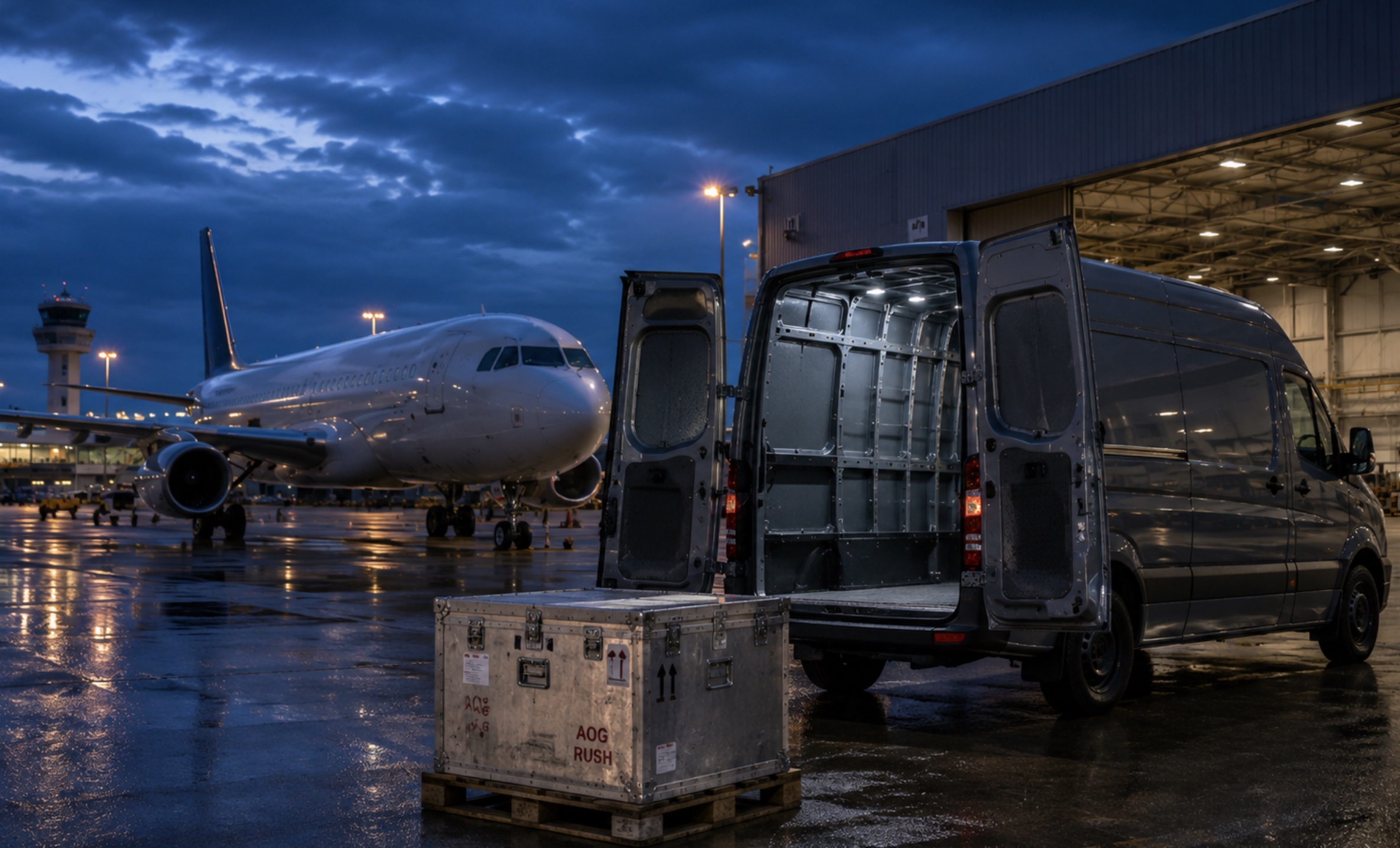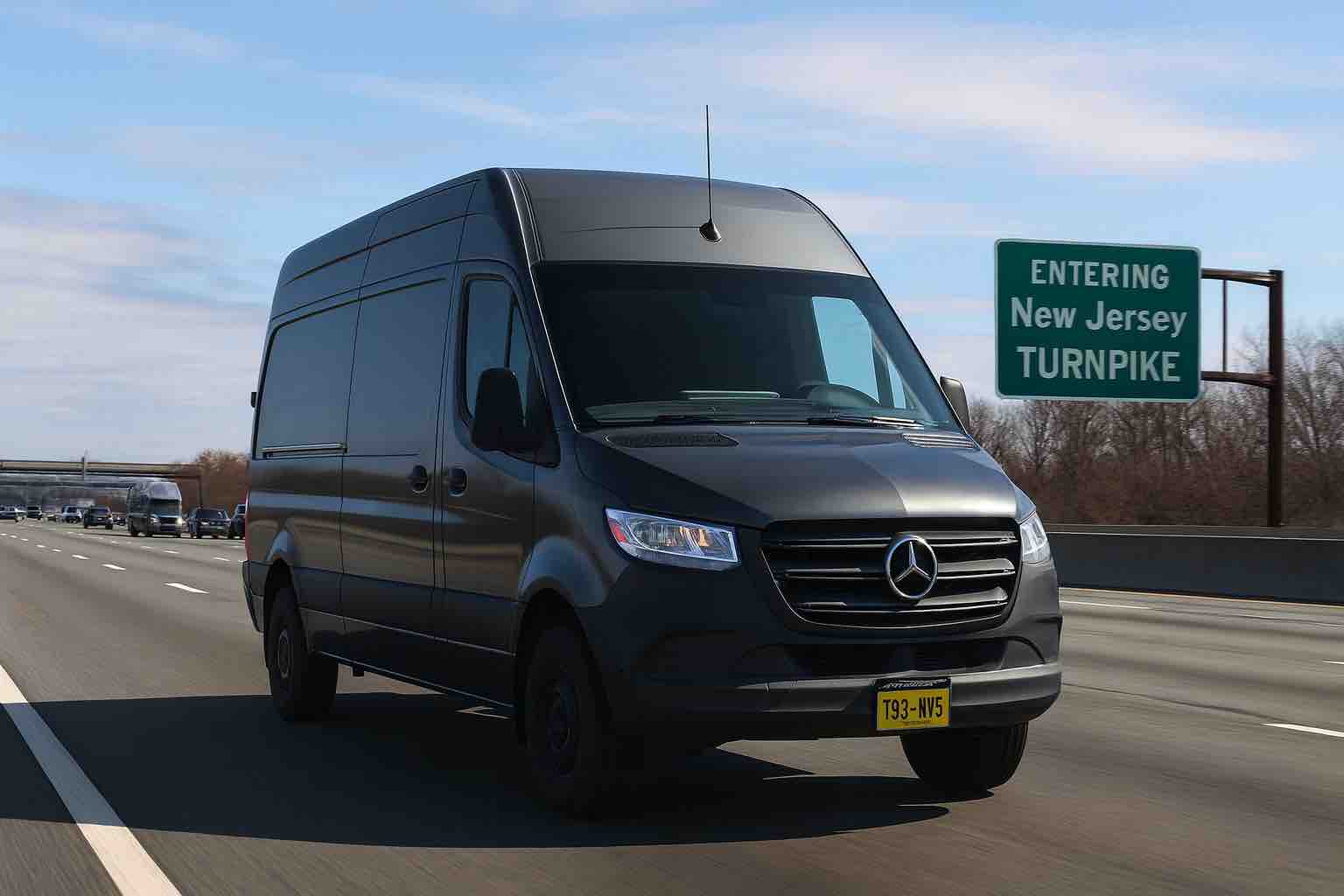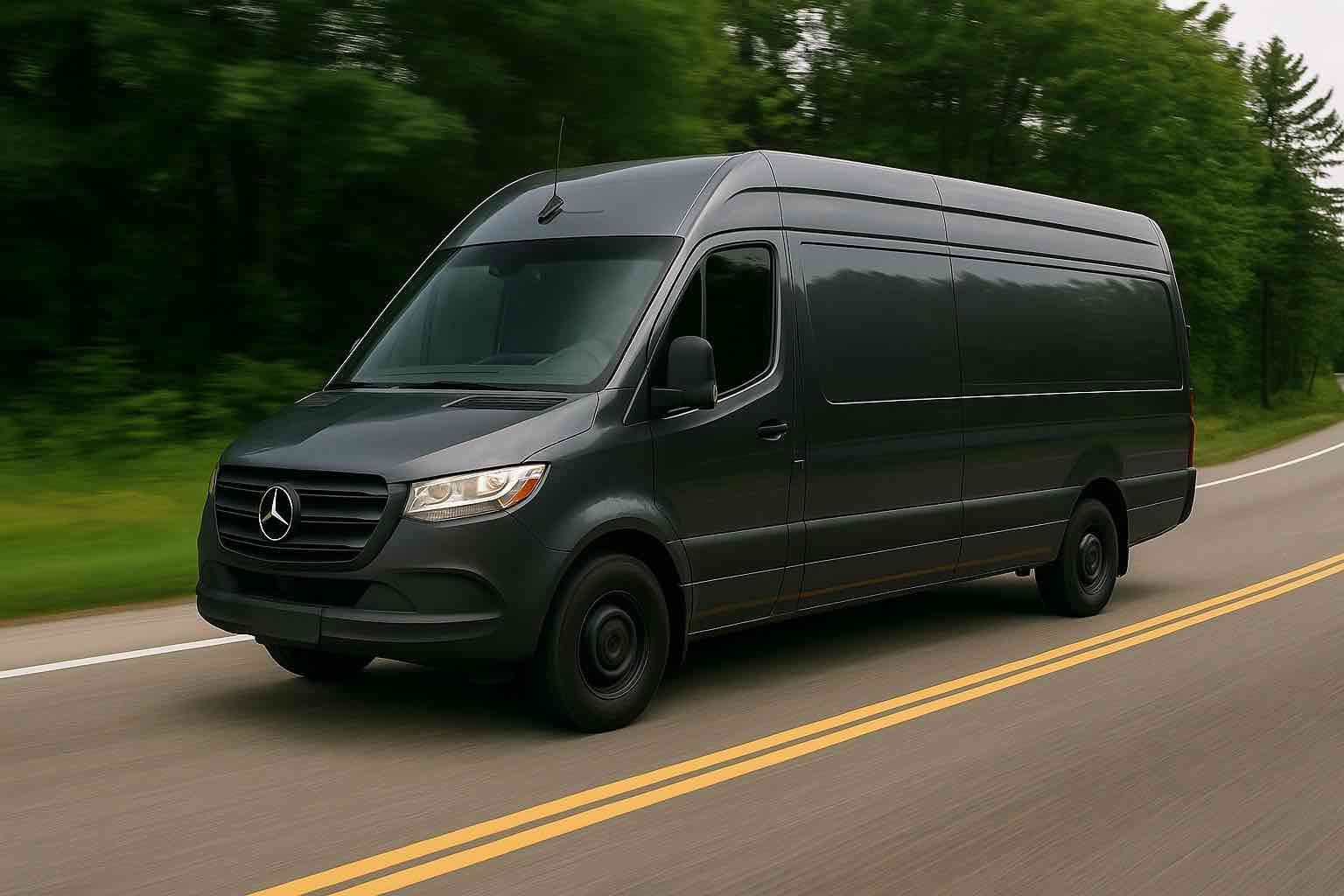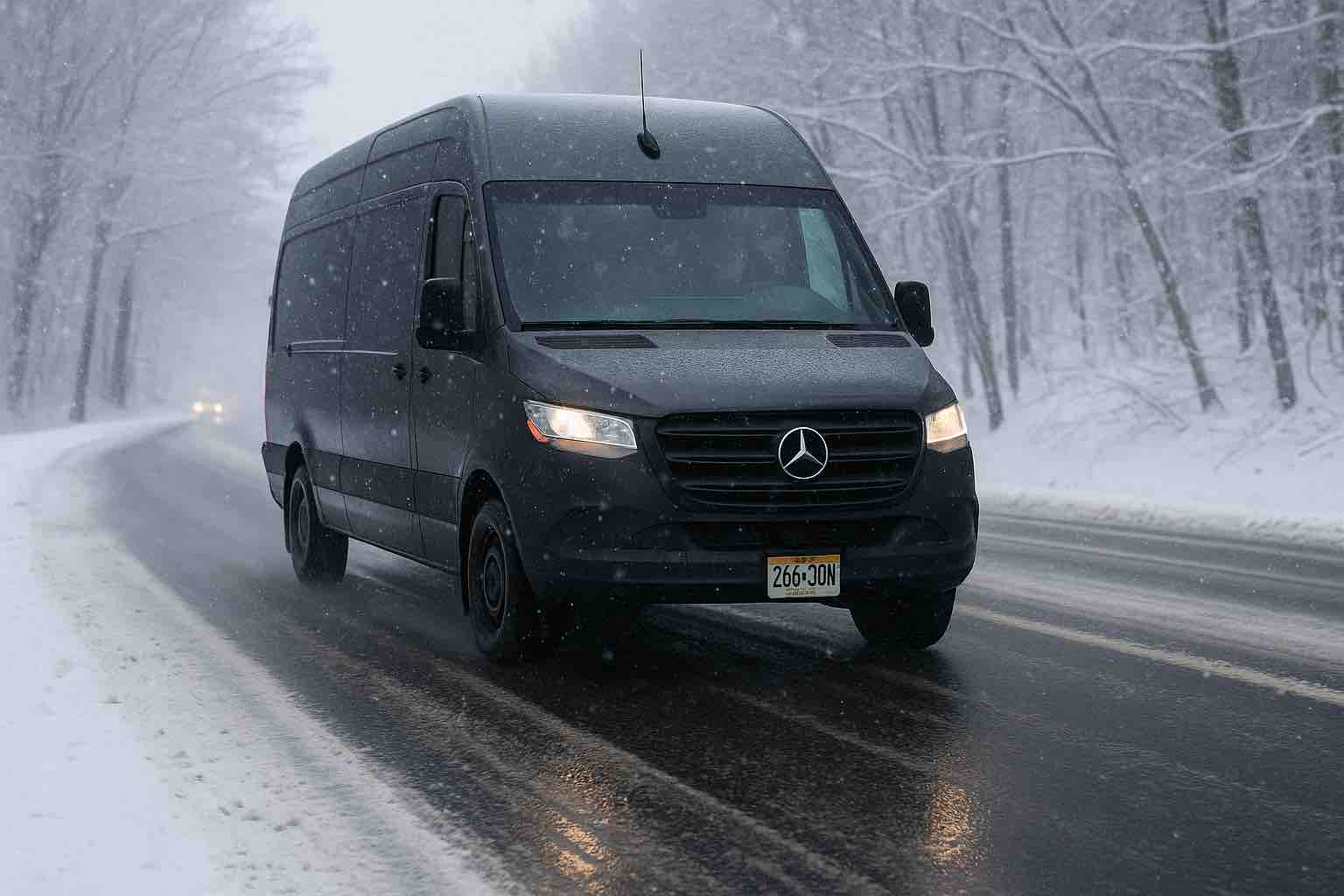
Even a modest storm can affect:
- Pickup times
- Airport cargo availability
- Bridge and tunnel traffic
- Facility operating hours
- Loading-dock access
- Delivery appointments
- Driver and vehicle safety
- Realistic transit times
When the shipment is supporting production, healthcare, field service, airport cargo, or an important customer commitment, the transportation plan cannot be based on mileage alone.
Nor’East Xpress provides direct expedited freight transportation throughout New Jersey and the Northeast. During winter weather, our focus is not on making unrealistic promises. It is on preparation, communication, appropriate equipment, and responsible decisions throughout the move.
Winter Changes More Than the Road Surface
Snow and ice are the most visible winter hazards, but they are not the only problems affecting freight.
A winter event can create delays before the vehicle reaches the highway.
A shipper may open late because employees cannot reach the facility. An airport cargo terminal may take longer to make freight available. A receiving location may close early. A loading dock may not be cleared. A scheduled forklift operator may be unavailable.
The shipment may be ready, but the surrounding operation may not be.
Common winter complications include:
- Slower traffic
- Reduced road capacity
- Snow-covered loading areas
- Icy ramps and overpasses
- Road closures
- Commercial vehicle restrictions
- Delayed airline operations
- Cargo-terminal congestion
- Limited facility staffing
- Missed delivery appointments
- Increased accident activity
- Reduced visibility
- Longer stopping distances
These conditions can affect even a relatively short regional shipment.
That is why winter freight planning should begin before the driver is dispatched.
Direct Transportation Provides Greater Control
Traditional freight networks may involve terminals, cross-docks, consolidation schedules, and multiple vehicles.
During winter weather, each transfer point becomes another place where the shipment can lose time.
A terminal may close early. A connecting vehicle may be delayed in another state. Freight may wait for the next scheduled departure after missing a connection.
Nor’East Xpress uses a direct transportation model for accepted shipments.
One shipment. One vehicle. One driver.
The freight is picked up and transported directly toward its destination without unnecessary terminal handling or cross-docking.
Direct transportation cannot eliminate winter weather, but it can reduce the number of outside schedules and handoffs affecting the shipment.
This may be especially valuable when the freight is:
- Time-critical
- Supporting a production line
- Needed by a technician
- Difficult to replace
- Connected to an installation
- Being recovered from an airport
- Required for healthcare operations
- Moving within a strict delivery window
- Sensitive to excessive handling
Learn more about when expedited freight makes sense for New Jersey businesses.
Why Regional Knowledge Matters in Winter
The Northeast is a compact but complex freight market.
A single route may involve urban traffic, toll roads, bridges, tunnels, mountain grades, coastal conditions, and several different state transportation systems.
Major corridors such as I-95, I-78, I-80, I-84, I-287, I-295, and the Pennsylvania Turnpike can experience very different conditions during the same storm.
Coastal New Jersey may be dealing with rain and wind while northern New Jersey, Pennsylvania, or Connecticut is receiving snow or freezing precipitation.
A regional carrier should consider more than the current weather at the pickup location.
The transportation plan may need to account for:
- Conditions along the full route
- Timing of the storm
- Road-treatment and plowing activity
- Elevation changes
- Bridge and overpass icing
- Commercial vehicle advisories
- State emergency restrictions
- Expected traffic volume
- Facility operating hours
- Alternate delivery arrangements
Nor’East Xpress reviews the route, schedule, and available conditions before the assignment begins and continues monitoring relevant developments while the freight is moving.
A regional focus does not make a carrier immune to winter delays. It supports more informed planning and more realistic communication.
Read more about the value of a Northeast-based freight carrier.
Where AWD Sprinters Can Help
Nor’East Xpress operates Mercedes-Benz Sprinter High Roof AWD equipment.
All-wheel drive can support vehicle traction when conditions include rain, slush, light snow, or uneven surfaces. It can be particularly useful when entering industrial parks, loading areas, and facilities that may not be cleared as quickly as major roadways.
A Sprinter can also provide practical flexibility in locations where larger commercial vehicles may face:
- Limited maneuvering space
- Narrow service entrances
- Smaller loading areas
- Congested urban streets
- Restricted parking
- Difficult dock approaches
However, AWD does not eliminate the risks created by ice, poor visibility, deep snow, road closures, or unsafe driving conditions.
It does not shorten stopping distance on ice or make every route passable.
The decision to proceed, delay, reroute, or stop must be based on the actual conditions. Protecting the driver, public, vehicle, and customer’s freight comes before maintaining an unrealistic schedule.
Planning Before a Winter Shipment
The best time to address winter risk is before pickup.
Customers can help create a better transportation plan by providing complete and accurate shipment information.
Before dispatch, Nor’East Xpress should receive:
- Pickup address
- Delivery address
- Pickup contact
- Delivery contact
- Requested pickup time
- Required delivery time
- Number of pieces
- Total weight
- Dimensions of each piece
- Commodity description
- Declared value
- Loading method
- Unloading method
- Dock or ground-level access
- Appointment requirements
- Facility operating hours
- Site-access instructions
- Temperature requirements
- Dangerous-goods status
- Proof-of-delivery requirements
During a winter event, several additional questions become important:
- Is the pickup location open?
- Has the loading area been cleared?
- Is the freight physically ready?
- Is loading equipment available?
- Will the receiving facility remain open?
- Is the delivery appointment flexible?
- Is there an after-hours receiving contact?
- Can the shipment be picked up before the storm arrives?
- Is secure storage available if delivery becomes impossible?
- What should happen if authorities restrict travel?
Answering these questions in advance can prevent the driver from reaching a closed or inaccessible facility.
Moving Before the Storm
One of the most effective winter strategies is to move urgent freight before conditions deteriorate.
When forecasts provide enough advance notice, customers may be able to:
- Release the shipment earlier
- Adjust the pickup appointment
- Extend receiving hours
- Move inventory closer to the final destination
- Prioritize the most critical freight
- Arrange delivery before overnight freezing
- Avoid a known period of heavy snowfall
- Prepare an alternate receiving contact
This is especially useful for shipments supporting:
- Manufacturing operations
- Scheduled maintenance
- Hospital or laboratory needs
- Field-service teams
- Airport export cutoffs
- Customer installations
- Government operations
- Emergency inventory replenishment
Earlier transportation may involve additional planning or cost, but it can be less disruptive than attempting to move after roads, airports, and facilities are already affected.
Airport Freight During Winter Weather
Airport cargo operations can be affected even when surrounding roads remain open.
Winter conditions may delay aircraft, ground crews, unloading, cargo availability, customs processes, and freight-forwarder operations.
A shipment listed as arrived may not yet be available for recovery.
Before Nor’East Xpress is dispatched to an airport, the customer or freight forwarder should confirm:
- The flight has arrived
- The shipment has been broken down and made available
- Customs release is complete when applicable
- FDA status is complete when applicable
- The airline or handler has released the freight
- Terminal charges have been paid
- The driver is authorized for pickup
- The cargo facility is operating
- The terminal’s winter hours have not changed
- The final delivery location will be open
For outbound cargo, customers should also allow additional time before the airline cutoff.
Snow, terminal congestion, security screening, documentation review, and unloading can all increase the time needed to tender the shipment.
Nor’East Xpress supports qualifying airport recovery and line-haul transportation through EWR, JFK, PHL, IAD, and other Northeast and Mid-Atlantic cargo facilities.
Temperature-Sensitive Freight Requires Separate Planning
Cold outside temperatures do not automatically protect temperature-sensitive cargo.
Pharmaceuticals, medical devices, electronics, chemicals, adhesives, and other products may have both minimum and maximum temperature requirements.
A shipment requiring controlled room temperature may be damaged by freezing conditions even though the weather is cold.
The shipper or responsible logistics provider should confirm:
- Required temperature range
- Qualified packaging
- Maximum transit duration
- Use of insulated containers
- Use of temperature monitors
- Exposure limitations
- Emergency instructions
- Whether active temperature control is required
Unless an actively temperature-controlled vehicle has been specifically arranged, the packaging must be appropriate for the expected route, weather, handling, and transit time.
Temperature requirements must be disclosed before the shipment is accepted.
For pharmaceutical and healthcare transportation, see our guide to medical and pharmaceutical logistics.
Communication Matters More When Conditions Change
Winter freight becomes more difficult when the customer does not know what is happening.
Conditions can change after pickup. Traffic may stop behind an accident. A road may close. Snow may begin earlier than expected. A receiving facility may decide to close.
Nor’East Xpress provides direct communication at important shipment milestones, which may include:
- Driver dispatched
- Estimated arrival at pickup
- Arrival at origin
- Freight loaded
- Departure from pickup
- Updated estimated arrival
- Weather or traffic delays
- Arrival at destination
- Delivery completion
- Electronic proof of delivery
When a meaningful delay occurs, the priority is to communicate it as early as reasonably possible.
A realistic update gives the customer an opportunity to notify the consignee, adjust staffing, change the appointment, or make another operational decision.
Silence does not make a winter delay disappear.
When a Shipment Should Be Delayed
There are situations when the safest and most responsible decision is not to proceed.
Transportation may need to be postponed or paused when:
- Authorities close the road
- Emergency travel restrictions are issued
- Visibility is dangerously limited
- Ice creates unsafe operating conditions
- Snow exceeds the vehicle’s safe capability
- The pickup or delivery facility is closed
- The loading area is inaccessible
- The customer cannot confirm a receiving contact
- The freight cannot be safely loaded or secured
- Continuing would create an unreasonable risk
Expedited freight is not a promise to ignore weather, road restrictions, or safety.
A responsible transportation partner should provide an honest assessment and work with the customer on the next practical option.
Depending on the assignment, that may include:
- Delaying pickup
- Holding at the origin
- Rescheduling delivery
- Identifying a secure intermediate location
- Adjusting the route
- Waiting for road treatment
- Delivering during a safer time window
These decisions should be communicated and approved whenever circumstances allow.
Industries Affected by Winter Freight Disruptions
Manufacturing
Manufacturers may be waiting for a part, tool, control, motor, or component needed to maintain production.
Winter planning can help move the item before conditions interrupt the route or receiving schedule.
Healthcare and Life Sciences
Hospitals, laboratories, pharmaceutical facilities, and medical distributors may require urgent supplies, devices, or properly packaged products.
These shipments can involve precise delivery contacts, documentation, confidentiality, and temperature requirements.
HVAC and Building Services
Cold weather increases demand for HVAC repairs, plumbing components, electrical equipment, and building-maintenance supplies.
A technician may be waiting at a facility for the part needed to restore service.
Aerospace and Aviation
Winter weather can affect both aircraft operations and the ground transportation of aviation components, tooling, and maintenance supplies.
Airport delays may increase the urgency of the final ground segment once the freight is released.
Government and Emergency Operations
Government contractors and public-sector facilities may need equipment, supplies, or replacement components during winter events.
Shipment-specific access, authorization, and facility instructions should be confirmed before dispatch.
Freight Forwarders
Freight forwarders may need regional ground capacity when air cargo is delayed, a connection is missed, or freight becomes available outside the original schedule.
Direct communication is especially important when the airport and final consignee are experiencing different weather conditions.
Credentials Supporting Winter Transportation
Nor’East Xpress maintains credentials and coverage supporting customer onboarding and qualifying transportation assignments:
- MC 1696833
- USDOT 4342378
- SCAC NPFJ
- TSA security vetting
- TWIC credential
- SAM registration
- CAGE code
- HIPAA training
- Bloodborne Pathogens training
- HAZCOM training
- $100,000 cargo coverage
- $1 million commercial auto liability coverage
The relevance of each credential depends on the shipment and facility.
These credentials do not replace:
- Safe driving conditions
- Government travel restrictions
- Cargo releases
- Facility authorization
- Dangerous-goods documentation
- Temperature-control requirements
- Product-specific permits
- Shipment-specific insurance review
They help customers verify the identity, authority, insurance, security readiness, and training of the carrier responsible for the ground move.
What Reliable Winter Freight Really Means
Reliable winter freight does not mean pretending that snow and ice do not affect transportation.
It means:
- Reviewing the forecast
- Understanding the route
- Confirming facility operations
- Using appropriate equipment
- Allowing realistic transit time
- Communicating when conditions change
- Protecting the freight
- Following road restrictions
- Making responsible safety decisions
A carrier cannot control the weather.
It can control how honestly the shipment is planned, how clearly changes are communicated, and how responsibly the transportation is performed.
Prepare Before the Forecast Becomes the Problem
Winter freight is most successful when the shipper, consignee, and carrier begin planning before the storm reaches the route.
Complete shipment details, flexible communication, confirmed facility access, and realistic expectations help reduce avoidable problems.
When the freight is urgent and conditions permit safe travel, Nor’East Xpress provides direct transportation with fewer handoffs and clear accountability from pickup through delivery.
Need Winter Freight Transportation?
Nor’East Xpress provides expedited, same-day, airport recovery, final mile, hot shot, and direct-route transportation throughout New Jersey and the Northeast.
To request a quote, provide the pickup location, destination, piece count, weight, dimensions, commodity, required delivery time, and any temperature or facility-access requirements.
Request a winter freight transportation quote
Built for the Northeast. Delivered with purpose.